
Moving to Singapore usually begins with practical concerns such as housing, transport, and getting familiar with local regulations. Yet beyond the modern skyline lies a rich historical layer waiting to be explored. Visiting Singapore heritage sites is one of the easiest ways for newcomers to understand the city’s culture, communities, and neighbourhood character.
For expats looking for a place to live, many of these districts are also among the most charming parts of the island. Colourful shophouses, preserved temples, and historic streets create neighbourhoods where the past and present coexist naturally.
Why Expats Should Explore Singapore Heritage Sites
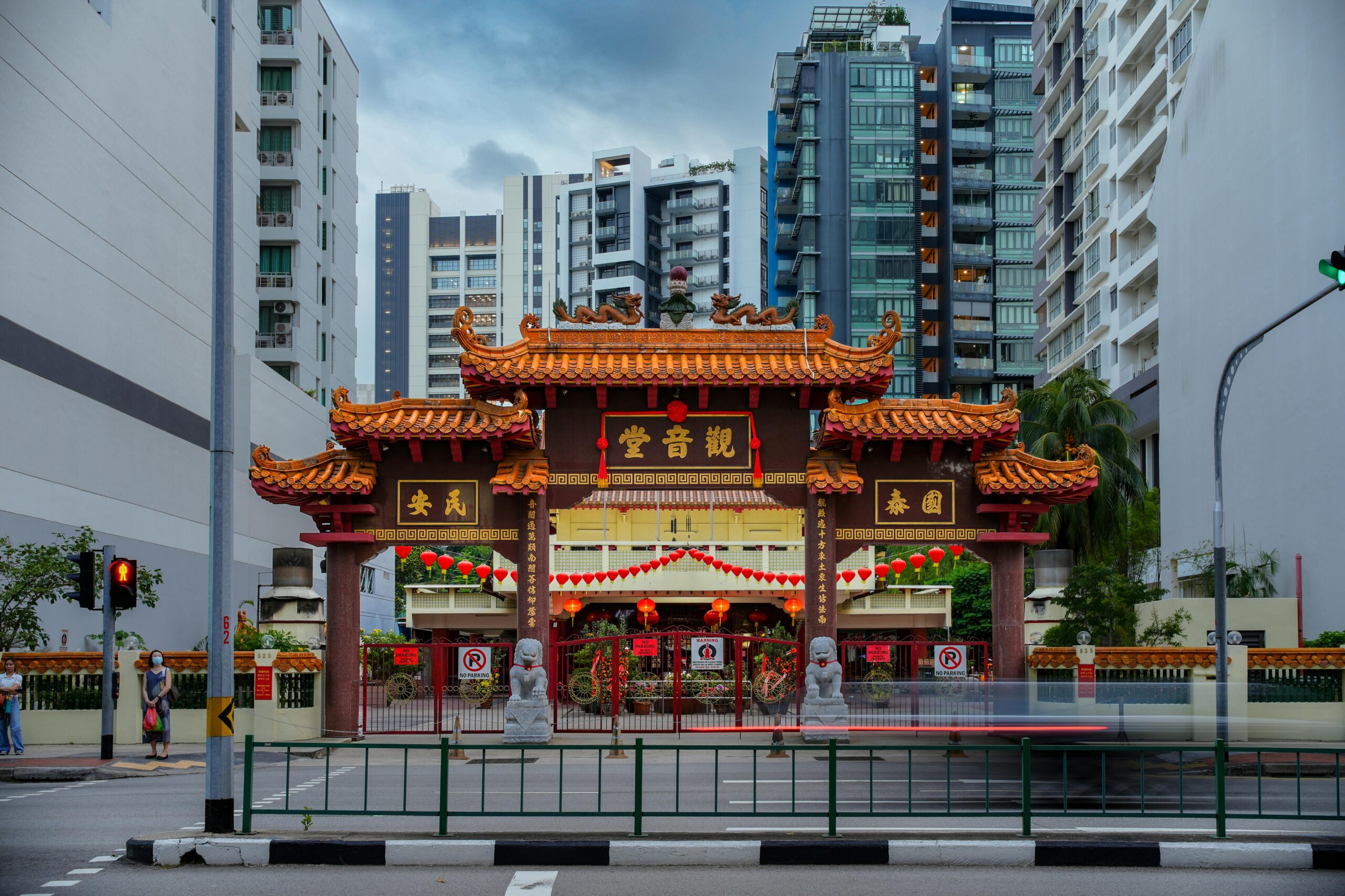
Some of the most vibrant areas in the city grew around important Singapore historical sites and long-standing cultural districts. Neighbourhoods such as Chinatown, Kampong Glam, and Little India feature beautifully preserved historic buildings in Singapore that date back to early trading days and colonial times.
Walking through these streets gives a glimpse into how different communities helped shape modern Singapore. Today, these Singapore heritage places are lively neighbourhoods filled with cafés, local businesses, and residential spaces.
Several locations are also internationally recognised. Singapore is home to important cultural heritage sites in Singapore that reflect the country’s multicultural roots. The Singapore Botanic Gardens, for example, is the nation’s only UNESCO heritage site Singapore and remains a globally recognised UNESCO World heritage Singapore landmark.
For many newcomers, visiting these heritage neighbourhoods offers a deeper understanding of the country beyond the financial district and shopping malls.
Renting Near Singapore Heritage Sites
Many expats prefer living near cultural areas because these neighbourhoods have a strong sense of identity and community. Restored shophouses, conservation apartments, and boutique co-living spaces are common features in these areas.
If you are considering accommodation near Singapore historical sites, including apartments for rent in Singapore, it helps to understand how local rental agreements work. Most room rentals operate through a simple written agreement between landlord and tenant.
Before signing a contract, it is useful to review conservation and housing regulations through Urban Redevelopment Authority conservation guidelines or official housing policies published by Singapore government housing resources.
Heritage Living and Everyday Life
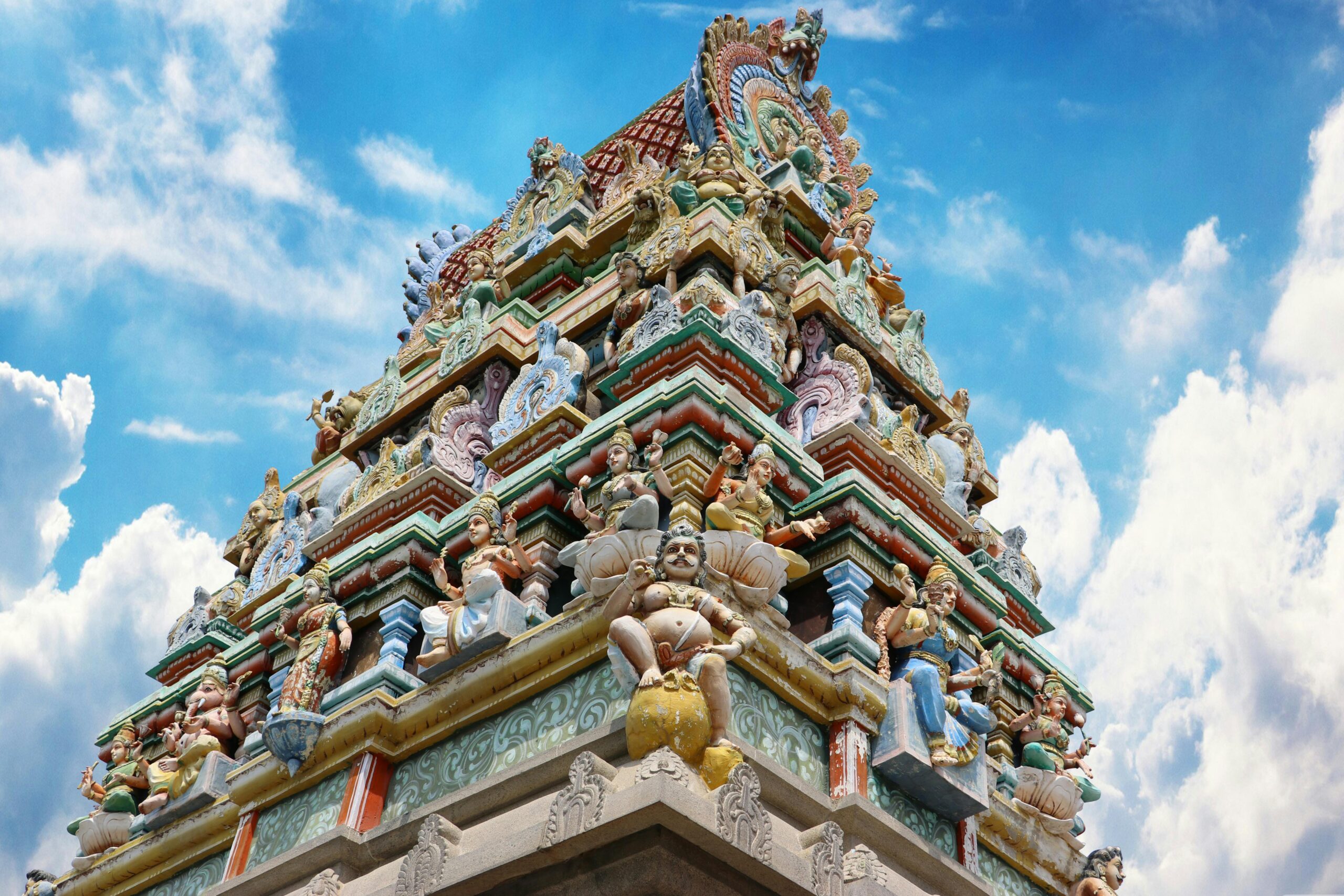
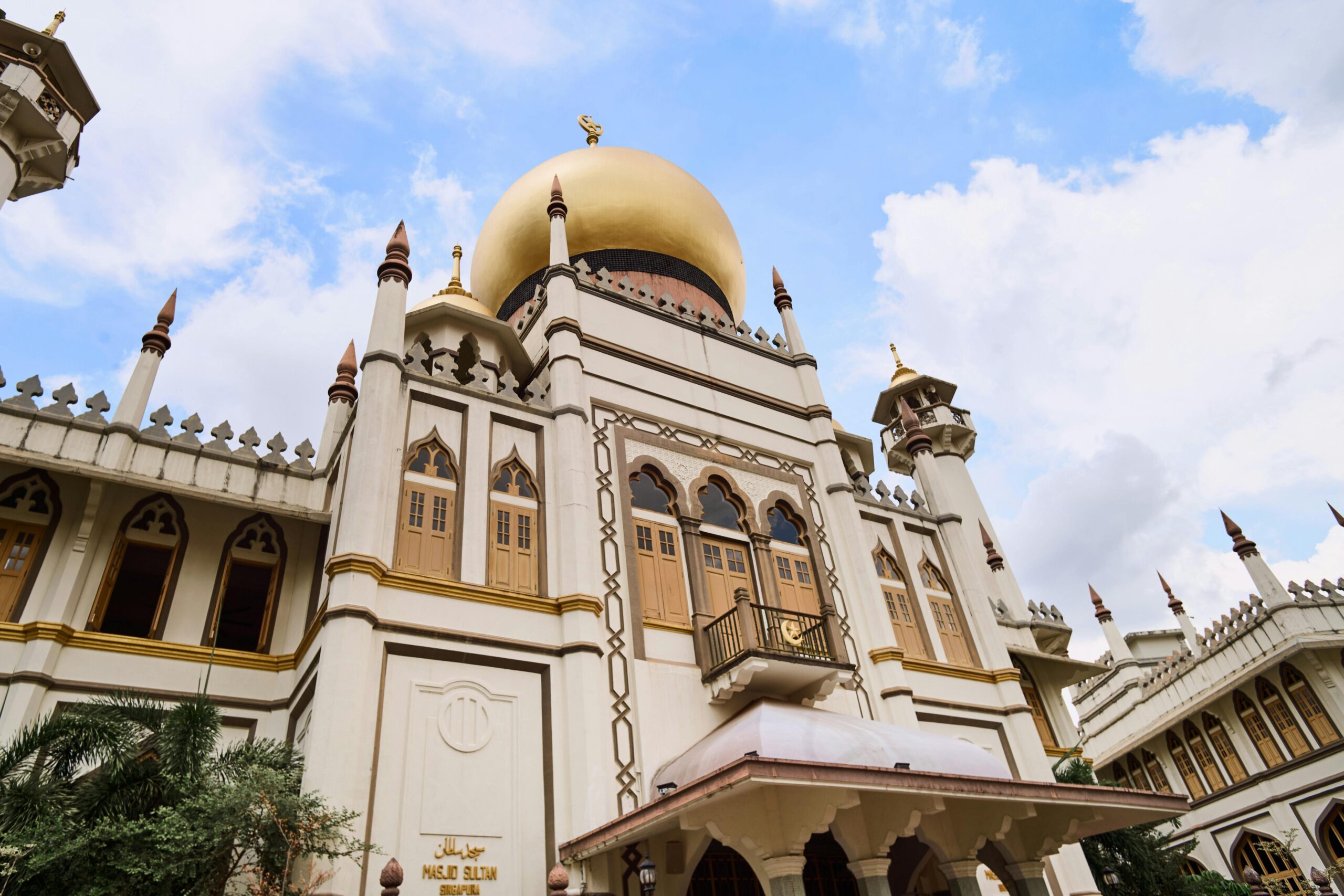
Living near Singapore heritage sites to visit often means enjoying neighbourhoods rich with culture and local activity. Morning coffee beside restored shophouses, weekend walks past temples and mosques, or evening visits to nearby markets become part of everyday life.
Many of these areas are also recognised as significant cultural heritage sites in Singapore, where traditions remain visible through food, festivals, and architecture.
Globally recognised landmarks such as the Singapore Botanic Gardens, the country’s only UNESCO heritage site Singapore, continue to attract visitors from around the world. As a UNESCO World heritage Singapore landmark, it reflects the city’s dedication to preserving history alongside modern development.
For expats, discovering nearby Singapore historical sites often becomes one of the most memorable parts of living in the country.
FAQs
Are there many Singapore heritage sites within residential areas
Yes. Districts such as Chinatown, Katong, and Kampong Glam contain many conserved neighbourhoods where residents live alongside historic landmarks.
Is it more expensive to live near historic districts in Singapore?
In some cases, rents may be slightly higher because these neighbourhoods are centrally located and culturally vibrant. However, shared housing and co-living options can make them more accessible.
Can expats rent rooms in historic buildings in Singapore?
Yes. Many restored shophouses and conservation properties now offer private rooms or boutique co-living spaces suitable for expats.
Final Thoughts
Exploring Singapore heritage sites provides more than a history lesson. It helps newcomers understand the communities and traditions that shape everyday life in the city.
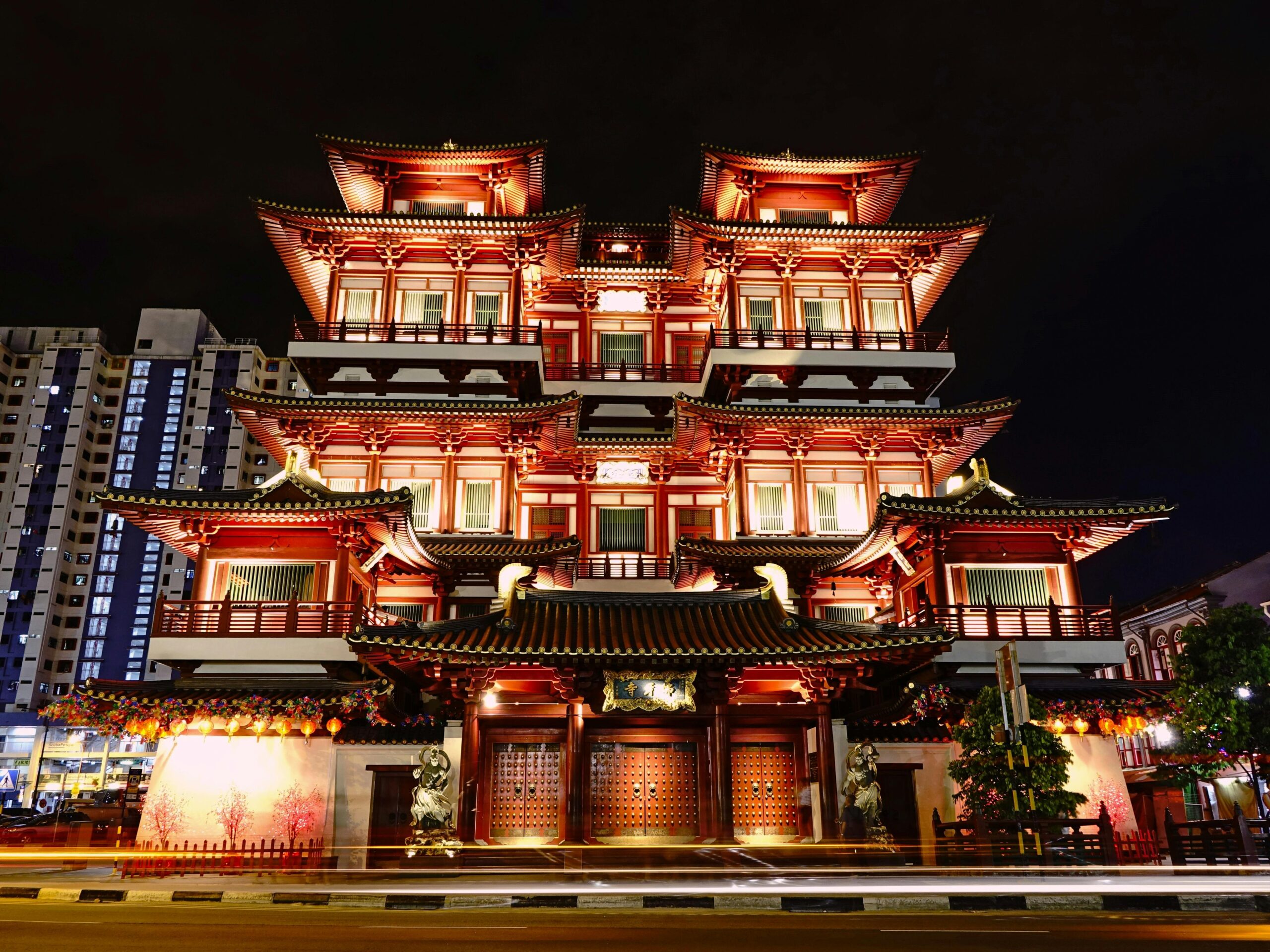
From colonial architecture to restored neighbourhoods, these Singapore heritage places reveal how Singapore balances preservation with modern living. Choosing to live near these districts also allows expats to experience local culture more closely.
If you are planning your move to Singapore, you can browse available options for renting a room in Singapore or book a viewing with WExpats or WExpats Boutique Co Living. It is a simple way to find a comfortable home while enjoying the character of Singapore’s historic neighbourhoods.
0 Comments