
Relocating to a new country is exciting, but adjusting to cultural differences in Singapore can feel overwhelming at first. For expats beginning their journey here, understanding how locals live, communicate, and build community makes daily life far smoother. Singapore is global and modern, yet deeply rooted in tradition. Recognising those nuances helps you settle in with confidence instead of confusion.
If you are experiencing early Singapore culture shock, you are not alone. Many newcomers initially struggle with subtle social expectations, workplace hierarchy, and strict public regulations. The good news is that once you understand Singapore culture and traditions, the city quickly starts to feel welcoming and predictable.

Understanding Cultural Differences in Singapore
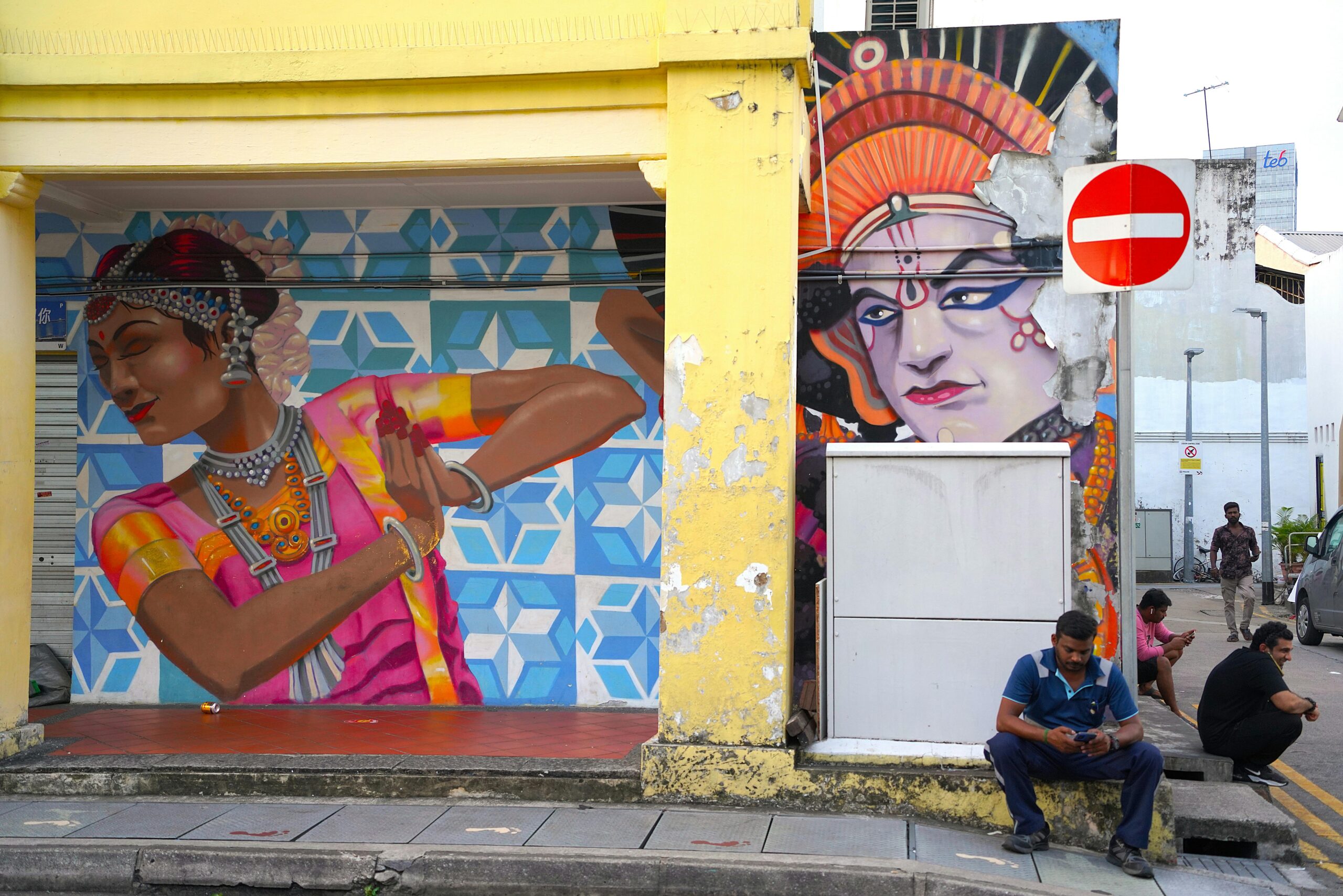
One of the defining aspects of cultural differences in Singapore is its multicultural foundation. Chinese, Malay, Indian, and Western influences coexist in daily life. Religious harmony and racial respect are central Singapore cultural values, reinforced both socially and legally.
Public holidays reflect this diversity. From Chinese New Year to Deepavali and Hari Raya, festivals are celebrated nationwide. Participating in these events gives newcomers meaningful exposure to Singapore culture and traditions beyond what guidebooks offer.
Hierarchy also plays a significant role. In many professional and social settings, seniority commands respect. These Singaporean culture values and attitudes can surprise expats from more informal societies, but understanding them prevents misunderstandings.
Everyday Singapore Social Customs Expats Should Know
Adapting to Singapore social customs makes daily interactions smoother and helps reduce Singapore culture shock.
Cleanliness and Public Behaviour
Singapore’s reputation for cleanliness is well earned. Strict rules around littering, smoking zones, and public conduct reflect strong Singapore cultural values centred on shared responsibility. These laws may seem firm at first, but they contribute to safety and order.
Communication Style
Communication is generally polite and measured. Direct confrontation is often avoided to maintain harmony, a reflection of deeper Singaporean culture values and attitudes. Reading between the lines becomes a useful skill.
Dining Etiquette
Food is social glue here. Hawker centres are cultural icons where people from all backgrounds gather. Sharing meals is one of the easiest ways to appreciate Singapore culture and traditions while building local friendships.

Workplace Expectations and Professional Norms
Professional life highlights further cultural differences in Singapore. Punctuality is expected. Efficiency is valued. Meetings are structured and purposeful.
Hierarchy is typically respected, and decision-making often flows from leadership downward. Public disagreement with senior figures can be sensitive. Understanding these dynamics reduces workplace friction and eases Singapore culture shock.
For employment rules and labour policies, refer to Ministry of Manpower guidelines. Housing regulations can also be reviewed through Housing & Development Board regulations and Urban Redevelopment Authority guidelines for broader context about how the city is managed.
Social Sensitivities and Cultural Awareness
Religion and race are sensitive subjects. Singapore actively protects social harmony, and being mindful in conversations is important. These expectations reflect broader Singapore cultural values around unity and stability.
Removing shoes before entering homes, offering items with both hands, and showing courtesy to elders are examples of everyday Singapore social customs that demonstrate respect.
If you are still adjusting, community platforms such as WExpats provide helpful resources for newcomers navigating Singapore culture and traditions.

Why Singapore Culture Shock Is Common
Even seasoned global professionals experience Singapore culture shock. The combination of strict regulations, cultural diversity, and subtle hierarchy can feel intense at first.
However, these systems reflect intentional Singaporean culture values and attitudes designed to preserve safety and long-term stability. Once understood, many expats develop strong appreciation for how efficiently the country operates.
Adapting Successfully to Cultural Differences in Singapore
Thriving amid cultural differences in Singapore requires openness. Attend festivals. Ask respectful questions. Build friendships across cultures. The more engaged you are, the faster Singapore feels like home.
Most expats find that within a few months, what initially felt unfamiliar becomes part of a comfortable routine.
FAQs
- How long does it take to adjust to cultural differences in Singapore?
Most newcomers adapt within three to six months. Understanding Singapore social customs and engaging with local communities accelerates the process. - Is Singapore difficult culturally for Western expats?
Language is rarely a barrier since English is widely spoken. The main adjustment involves adapting to Singapore cultural values related to hierarchy and public behaviour. - Are Singapore’s culture and traditions conservative?
Singapore blends modern global outlooks with traditional Asian influences. Respect, harmony, and lawfulness remain core Singaporean culture values and attitudes.
Final Thoughts
Relocating successfully involves more than paperwork and logistics. By understanding cultural differences in Singapore, appreciating Singapore culture and traditions, and respecting Singapore social customs, you build a foundation for both personal and professional success.
If you are planning your move or already settling in, book a viewing with WExpats today. The right home makes adapting to Singapore life significantly easier.
0 Comments